Searching “acupuncture Brisbane” usually means one of two things – you’re new to acupuncture and want to understand what it actually involves, or you’ve had it before and you’re looking for a clinic that takes it seriously rather than treating it as a quick add-on. Either way, here’s what genuinely matters.
At Qi Flow Wellness in St Lucia, acupuncture is practiced as a complete diagnostic system rather than a set of generic needle placements – grounded in Traditional Chinese Medicine, delivered by registered practitioners.
What Does Acupuncture Actually Involve?
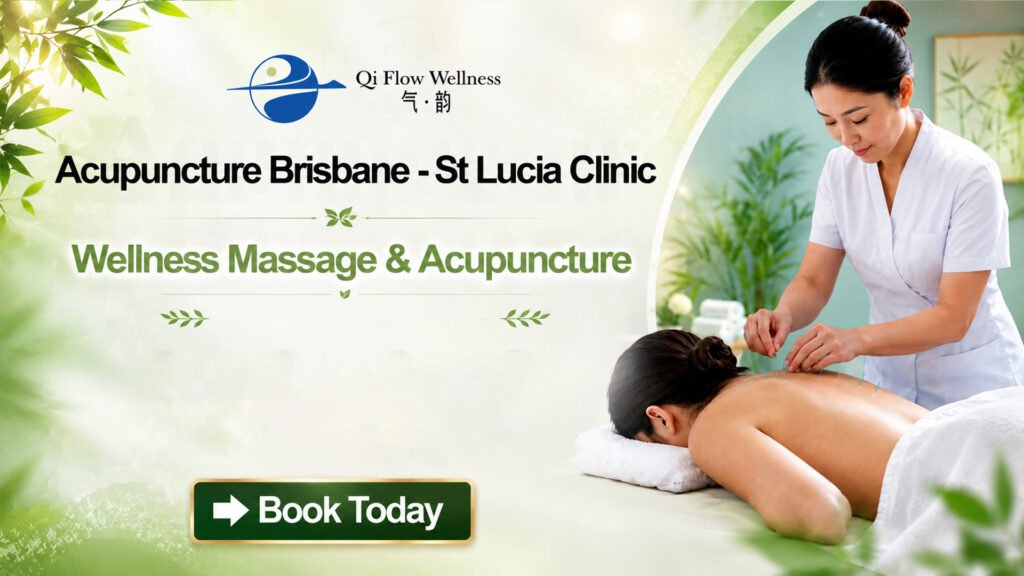
Acupuncture uses fine, sterile needles placed at specific points along the body’s meridian pathways to ease pain, reduce inflammation, and support the body’s natural healing processes. Most people describe the sensation as a light pressure or dull ache at insertion, followed by a deep sense of relaxation once the needles are in place.
Acupuncture isn’t just for pain, either. In our Brisbane clinic, we commonly support patients with back and neck pain, digestive complaints, women’s health and hormonal balance, fatigue, and stress-related tension.
Does Acupuncture Actually Work?
This is the most common question we get, and it’s a fair one. A 2017 meta-analysis published in the Journal of Pain found acupuncture significantly more effective than both sham acupuncture and no treatment for chronic pain, with benefits that persisted over time. That said, results vary by condition and individual – which is why an initial assessment matters more than a generic treatment plan.
Acupuncture Brisbane-Wide: Finding the Right Clinic
Brisbane has plenty of acupuncture options, but not all clinics are created equal. A few things worth checking before you book anywhere:
- AHPRA registration – in Australia, acupuncturists and Chinese medicine practitioners must be registered with the Australian Health Practitioner Regulation Agency. Always confirm current registration.
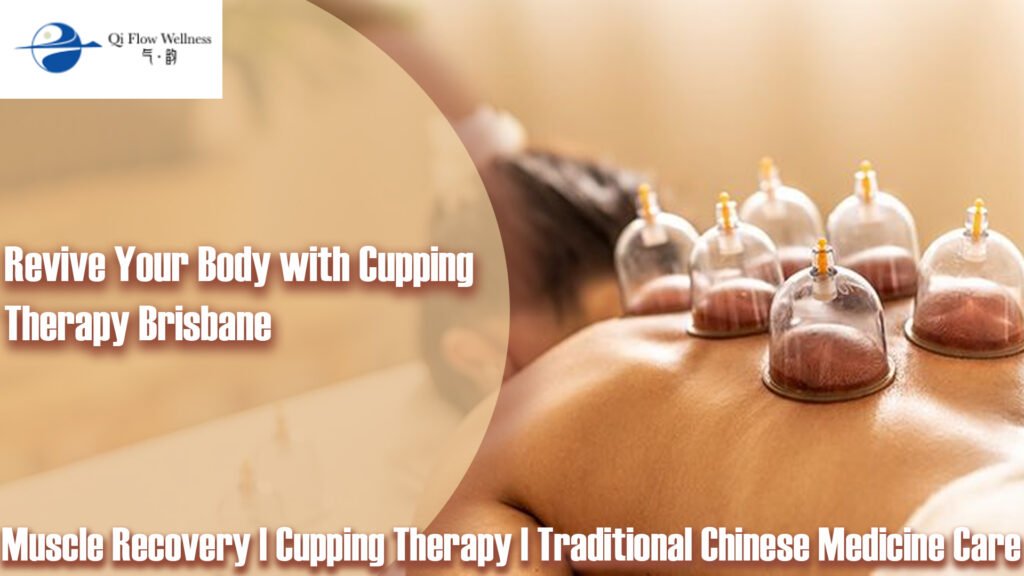
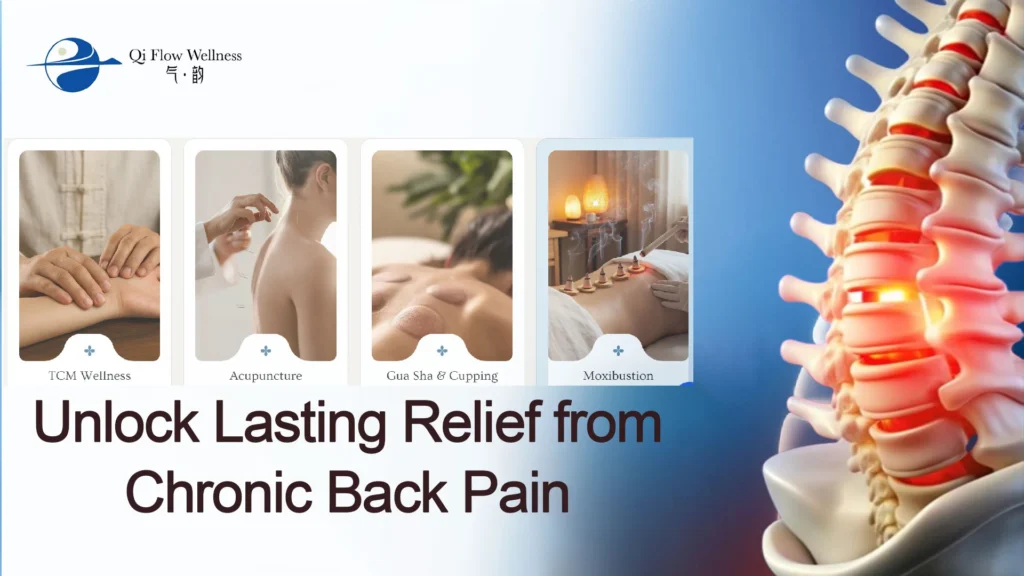
- A full suite of TCM modalities – quality clinics offer more than acupuncture alone, including cupping, moxibustion, Chinese herbal medicine, and therapeutic massage.
- Personalised treatment plans – TCM is inherently individualised, and a good practitioner takes time to understand your constitution and health goals before recommending treatment.
If you’re specifically in Brisbane’s inner west, we’ve written a more localised guide for acupuncture near Indooroopilly and Toowong, and for those closer to the city, our piece on TCM clinics near West End and South Brisbane covers accessibility from those suburbs too.
Why Combine Acupuncture and Massage?
A lot of our new patients search acupuncture and massage near me because they’ve realised one alone doesn’t always cover everything. Acupuncture works on the body’s energy pathways and internal balance, while remedial massage works directly on muscle tension and mobility – together, they often achieve faster, more complete results than either on its own.
This combined approach is at the core of our wellness massage & acupuncture philosophy – treatment plans that might include acupuncture alongside Tui Na massage, cupping, or moxibustion, depending on what your body needs. We’ve covered how these techniques work together in more detail in how TCM and remedial massage work together for injury recovery.
What Your First Visit Looks Like
Every new patient starts with a thorough consultation – health history, lifestyle, and presenting symptoms – before your practitioner begins a TCM assessment using methods like pulse and tongue reading. From there, they’ll explain exactly what they recommend and why, whether that’s acupuncture on its own or combined with massage, cupping, or herbal medicine. Treatment is always tailored to your body, not a fixed protocol applied to everyone.
Meet the Practitioners
- Dr. Juan Xiao – Registered Chinese Medicine Practitioner and Acupuncturist with 10+ years of clinical experience, China-trained, specialising in women’s health, reproductive wellness, paediatrics, and cosmetic acupuncture.
- Dr. Hannah Chen – AHPRA-registered with the Chinese Medicine Board of Australia, grounding every treatment plan in classical TCM theory alongside contemporary clinical evidence.
Both practitioners are formally trained in China, where TCM is taught as a complete medical system, combined with years of hands-on clinical experience in both China and Australia. You can read more about the full team on our Our Therapists page, or learn about our clinic’s approach to care more broadly.
Why Brisbane Patients Choose Qi Flow Wellness
Based at 218 Hawken Drive, St Lucia, we’re accessible from across Brisbane via the Western Freeway corridor, Coronation Drive bus routes, and the UQ precinct – genuinely convenient whether you’re coming from the inner west, the CBD, or the southside. With a 5.0 rating from 20+ Google reviews, most new patients arrive through a genuine local recommendation. You can read real feedback on our reviews page.
Session Details, Pricing & Health Fund Cover
- Session length: Acupuncture sessions typically run 45–60 minutes, including consultation and treatment time
- Health fund cover: Many Australian private health insurance providers include acupuncture as a claimable extra, depending on your level of cover
- New patients: No GP referral needed – you can complete your intake forms in advance to speed up check-in
- Booking flexibility: Same-day appointments are often available
Book Your Acupuncture Session in Brisbane
If you’re ready to experience acupuncture from a registered, genuinely experienced team, book an appointment with Qi Flow Wellness in St Lucia today. We’ll help you figure out whether acupuncture on its own, or combined with massage, is the right starting point for your body.
Frequently Asked Questions
1. What is acupuncture used for?
Acupuncture is commonly used for pain management, stress and anxiety, digestive issues, women’s health and hormonal balance, fatigue, and general wellbeing support, by stimulating specific points along the body’s meridian pathways.
2. Is acupuncture painful?
Most people feel only a light pressure or brief dull sensation as the needle is inserted, followed by a deep sense of relaxation. It’s generally well-tolerated, even for first-time patients.
3. Does acupuncture actually work, or is it just placebo?
Clinical research supports its effectiveness for several conditions – a 2017 meta-analysis in the Journal of Pain found acupuncture significantly more effective than sham treatment or no treatment for chronic pain, with lasting benefits.
4. What’s the difference between acupuncture and massage for pain relief?
Acupuncture targets the body’s energy pathways and internal balance, while massage works directly on muscle tension and mobility. Combining both often produces faster, more complete results than either alone.
5. How do I choose a good acupuncture clinic in Brisbane?
Confirm the practitioner is AHPRA-registered, check that the clinic offers a full range of TCM modalities, and look for a practice that builds personalised treatment plans rather than a one-size-fits-all approach.
6. Do I need a referral to see an acupuncturist?
No referral is required in Australia – you can book directly with a registered acupuncturist at any time.
7. Is acupuncture covered by health insurance in Australia?
Many private health funds include acupuncture as a claimable extra, though coverage varies by provider and policy level. It’s worth checking your specific cover before booking.
8. How many acupuncture sessions will I need?
This depends on the condition being treated. Some people notice improvement after one or two sessions, while chronic conditions often benefit from a structured plan over several weeks.
9. Can acupuncture be combined with remedial massage in one visit?
Yes – many treatment plans combine acupuncture with Tui Na massage, cupping, or moxibustion in the same session, depending on what your practitioner assesses your body needs.
10. What should I expect at my first acupuncture appointment?
Your first visit includes a full health consultation and TCM assessment (often pulse and tongue reading) before any treatment begins, so your practitioner can build a plan specific to you.