
Type “massage near me” into Google and you’ll get a wall of options within minutes – day spas, remedial clinics, mobile therapists, wellness centres. But here’s the honest problem most people run into: you know you want a massage, you just don’t know which kind actually fixes what’s bothering you.
At Qi Flow Wellness in St Lucia, we get this question constantly from new patients, so here’s a genuinely useful breakdown before you book anywhere.
Not All “Massage Near Me” Results Are the Same
Broadly, massage falls into a few different categories, and clinics rarely make the distinction obvious on their homepage:
- Relaxation massage – general stress relief, lighter pressure, no specific clinical goal
- Remedial massage – targeted, assessment-led treatment for injuries, chronic pain, or restricted movement
- Deep tissue massage – firmer pressure aimed at deeper muscle layers, often for chronic tension or athletic recovery
- TCM-based massage (Tui Na) – works along the body’s meridian pathways, often combined with acupuncture or cupping
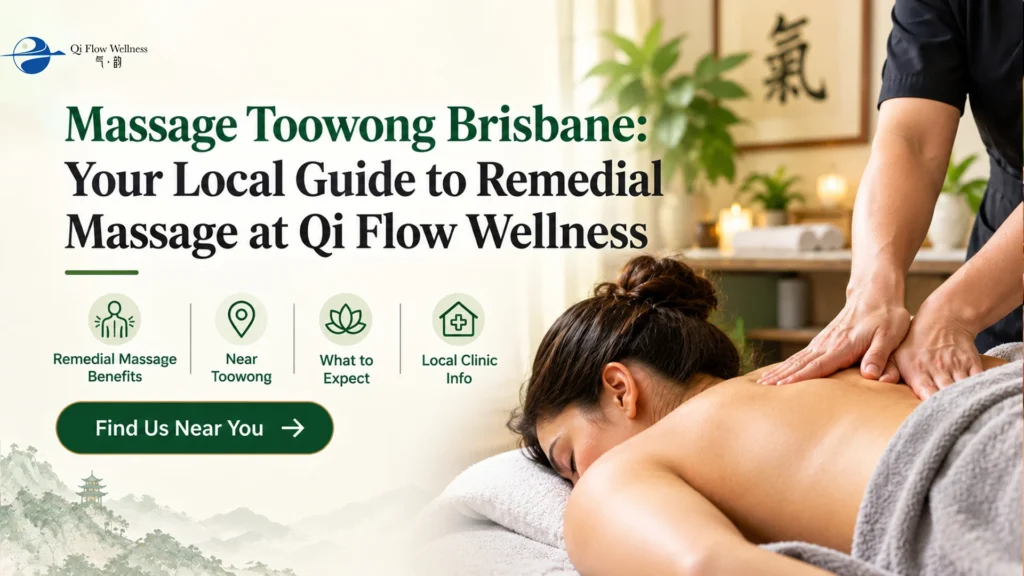
If you’re dealing with an actual injury or ongoing pain rather than general stress, you likely want remedial massage near me, not a relaxation-style booking – we’ve gone into that specific pathway in much more depth on that page.
How to Tell Which One You Actually Need
A simple way to think about it: if you’d be satisfied walking out feeling calmer for the evening, relaxation massage is probably enough. If you want the actual cause of your pain addressed – not just the symptom masked for a few hours – you need a proper remedial assessment.
Common signs you need remedial rather than relaxation massage:
- Pain that keeps returning to the same spot
- Restricted movement or stiffness that’s been building for weeks
- An old injury that never quite resolved
- Tension that’s affecting your sleep or daily function
Our conditions page lists specific issues we commonly treat, which can help you self-check before booking.
What a Good Massage Therapist Should Do Before Touching You
This is where a lot of “massage near me” experiences fall short. A properly trained massage therapist doesn’t just start working on whatever area you point to – they ask questions first: what’s the pain like, when did it start, what makes it worse, what’s your daily posture and activity level. That short conversation is often the difference between a massage that feels nice and one that actually changes something.
At Qi Flow Wellness, every new patient starts with this kind of consultation, and treatment is always tailored to your specific body rather than a fixed 60-minute routine applied to everyone.
Beyond Massage: When TCM Might Be a Better Fit
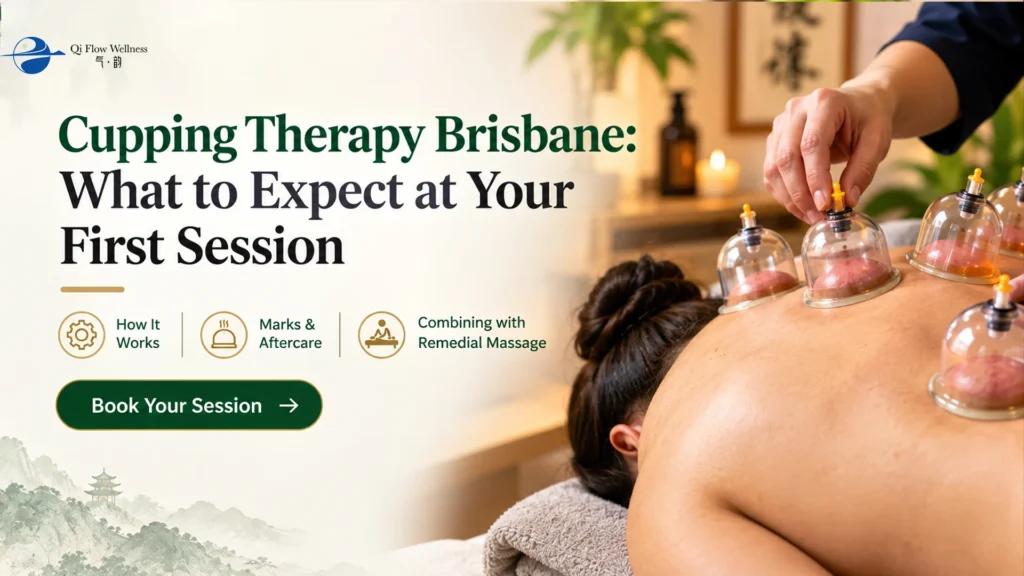
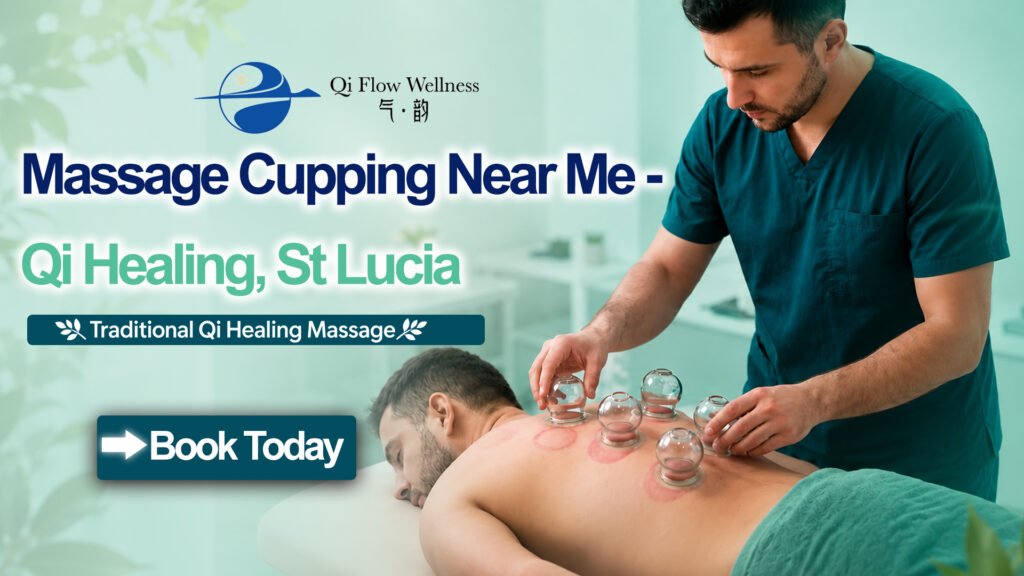
Sometimes what feels like a straightforward muscle problem is connected to something broader – stress, sleep, or general Qi imbalance in TCM terms. If regular massage keeps giving you short-term relief without addressing the root cause, it might be worth considering acupuncture Brisbane or massage cupping alongside your massage, which we explain in more depth on our TCM Wellness page.
Meet the Team You’ll Actually Be Working With
- Dr. Juan Xiao – Registered Chinese Medicine Practitioner and Acupuncturist with 10+ years of clinical experience, China-trained, specialising in a wide range of conditions from gynaecological health to pain management.
- Tommy Ngo – Pain-management focused, known for working with clients managing chronic tension and recurring tightness in the neck, shoulders, and lower back.
- Naomi Greenshields – Focuses on therapeutic, results-driven treatment for pain, tension, and long-term mobility, prioritising sustainable outcomes over short-term fixes.
Every therapist on our team is licensed, insured, and either diploma-qualified or AHPRA-registered. Full bios are on our Our Therapists page.
Why St Lucia Locals Choose Qi Flow Wellness
We’re based at 218 Hawken Drive, easily reachable from Indooroopilly, Toowong, Taringa, and the UQ precinct – genuinely convenient if you’re tired of driving across Brisbane for a decent massage near me. With a 5.0 rating from 20+ Google reviews, most new patients arrive through a genuine recommendation rather than a paid ad. Read real patient experiences on our reviews page.
Session Details, Pricing & Health Fund Cover
- Session length: Sessions typically range from 45 to 120 minutes depending on the treatment type and areas addressed
- Health fund cover: We accept all major Australian health funds – we can help you check whether your policy covers remedial massage or TCM treatment
- New patients: Complete your intake forms in advance to speed up your first visit
- Booking flexibility: Same-day appointments are often available
Still Not Sure What You Need?
That’s completely normal, and it’s exactly what your first consultation is for. Book an appointment with our team in St Lucia, and we’ll help you figure out the right treatment – whether that’s relaxation, remedial, TCM, or a combination – before we even begin.
Frequently Asked Questions
1. What’s the difference between a regular massage and remedial massage?
Regular (relaxation) massage focuses on general stress relief with lighter pressure, while remedial massage is a targeted, assessment-led treatment designed to address a specific injury, chronic pain, or movement restriction.
2. How do I know if I need remedial massage instead of relaxation massage?
If your pain keeps returning to the same area, you have restricted movement, or an old injury never fully resolved, remedial massage is generally the better option, since it’s designed to address the underlying cause.
3. What should a good massage therapist ask before starting treatment?
A properly trained therapist should ask about your pain history, daily posture, activity levels, and specific goals before treatment begins, rather than starting without any assessment.
4. Is deep tissue massage the same as remedial massage?
They overlap but aren’t identical – deep tissue massage refers to the pressure and technique used, while remedial massage refers to a clinical, assessment-based approach that may or may not include deep tissue work.
5. Can massage help if my pain is actually related to stress?
Yes. Stress-related tension is one of the most common reasons people search massage near me, and both remedial massage and TCM-based treatment can help address it.
6. How often should I get a massage?
This depends on what you’re addressing. Chronic issues often benefit from a consistent plan, such as fortnightly sessions, while general stress relief can be more occasional.
7. Is massage covered by health insurance in Australia?
Many Australian private health funds cover remedial massage under extras cover. Coverage for relaxation massage is less common, so it’s worth checking your specific policy.
8. Do I need to know exactly what type of massage I want before booking?
No – a good clinic will assess your needs during consultation and recommend the right treatment type, so you don’t need to self-diagnose before your first visit.
9. How long does a typical massage session take?
Sessions generally range from 45 to 120 minutes, depending on the treatment type and how much needs to be addressed.
10. What’s the benefit of choosing a clinic with TCM-trained therapists over a standard massage studio?
TCM-trained therapists can identify broader patterns – like Qi stagnation or stress-related imbalance – that a standard relaxation-focused massage studio typically isn’t trained to assess.