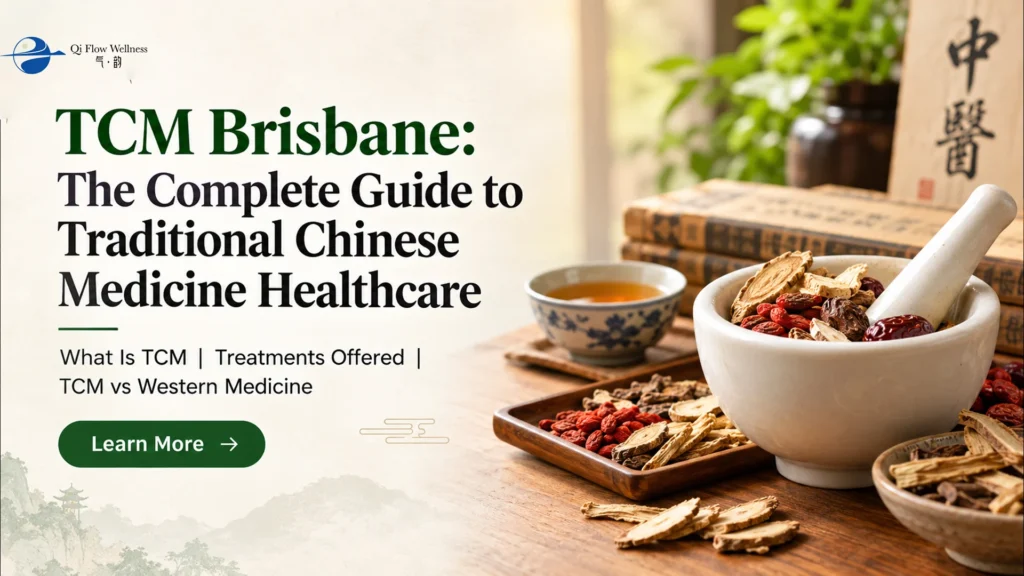

Sciatica, lower‑back pain, and other musculoskeletal conditions can be incredibly disruptive — affecting sleep, mobility, work, and daily comfort. Pain medication can offer short‑term relief, but many people find that symptoms return once the effects wear off. Traditional Chinese Medicine or TCM care offers a different path: one that focuses on restoring balance, improving circulation, and addressing the root cause of pain.
At Qi Flow Wellness, we combine TCM principles with hands‑on therapies to support long‑term recovery and whole‑body wellbeing.
Understanding Sciatica & Pain Through a TCM Lens
In TCM, pain is rarely seen as an isolated issue. Instead, it is often linked to:
Qi and Blood stagnation Blocked circulation leads to sharp, radiating, or persistent pain.
Cold or Damp invasion These can settle in the lower back and legs, worsening stiffness and discomfort.
Kidney and Bladder meridian imbalance These pathways run through the lower back, hips, and legs.
Underlying deficiency Weakness in the Kidney or Spleen systems may slow recovery.
Sciatica is often viewed as a combination of stagnation, meridian blockage, and muscular tension — all of which TCM aims to correct.
How Pain Medication Works
Pain medication can be helpful for temporary relief. It typically works by:
Blocking pain signals
Reducing inflammation
Providing short‑term comfort
However, medication does not address:
Muscle tightness
Postural imbalance
Qi and Blood stagnation
Meridian blockages
Lifestyle patterns that trigger pain
This is why many people experience recurring symptoms once the medication wears off.

How TCM Helps With Sciatica & Chronic Pain
TCM focuses on restoring balance and improving the body’s natural healing ability. Treatment may include:
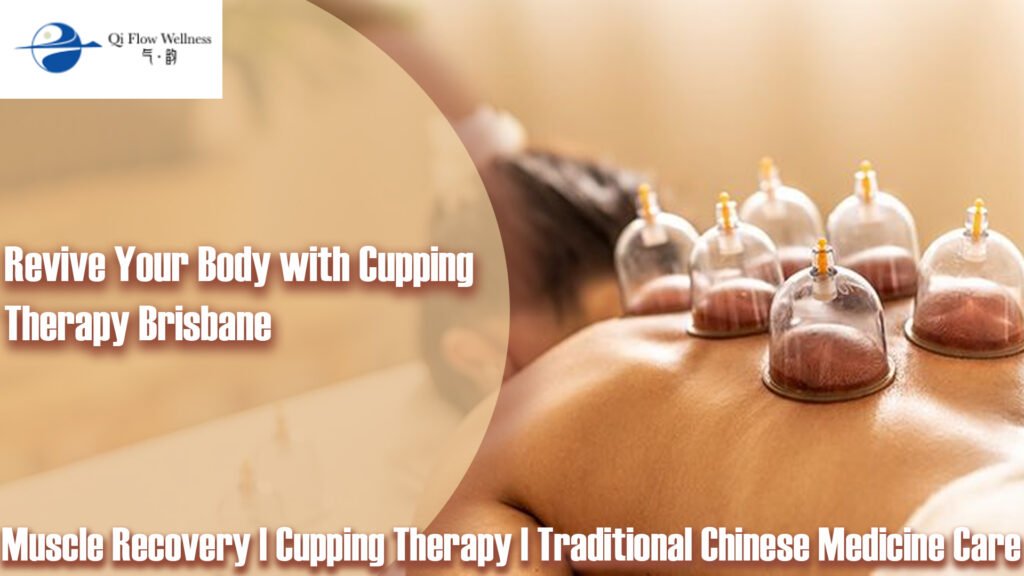
Cupping Therapy
Releases deep muscle tension, improves circulation, and reduces stagnation along the lower‑back and leg meridians.
Gua Sha
Encourages fresh blood flow, reduces inflammation, and softens tight fascia.
Tui Na / Meridian Massage
Targets the Bladder, Gallbladder, and Kidney meridians to relieve radiating pain and restore mobility.
Moxibustion
Warms the meridians, disperses Cold, and supports chronic lower‑back weakness.
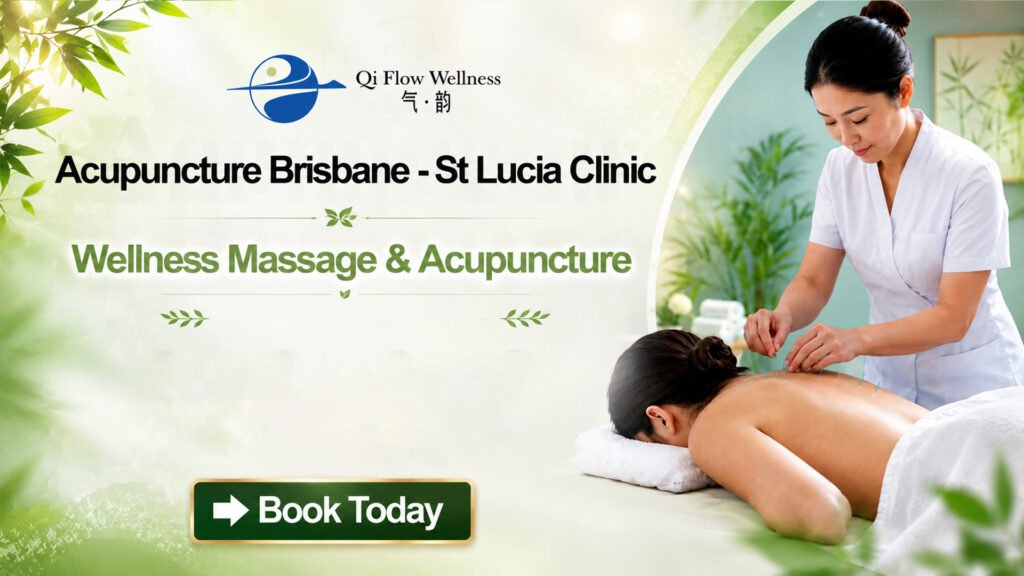
Acupuncture
Stimulates specific points to reduce nerve irritation and restore Qi flow.
Lifestyle & Posture Guidance
Simple adjustments to reduce strain and prevent recurrence.
Benefits of a TCM‑Based Approach
Clients often experience:
Reduced sciatic pain and leg discomfort
Improved lower‑back mobility
Less muscle tightness and nerve irritation
Better posture and movement patterns
Reduced reliance on medication
Long‑term improvement rather than temporary relief
A greater sense of balance and wellbeing
TCM treats both the root cause and the symptoms, supporting sustainable recovery.
TCM vs. Pain Medication: Key Differences
| Approach | Pain Medication | TCM Care |
|---|---|---|
| Focus | Symptom relief | Root‑cause balance |
| Duration of relief | Short‑term | Long‑term improvement |
| Addresses muscle tension | No | Yes |
| Improves Qi & Blood flow | No | Yes |
| Supports posture & movement | No | Yes |
| Side effects | Possible | Minimal / none |
Both approaches can be useful — but TCM offers a deeper, more holistic path for chronic or recurring pain.
Final Thoughts
Sciatica and chronic pain can significantly impact your quality of life, but you don’t have to rely solely on medication. TCM offers a natural, holistic approach that supports long‑term healing by restoring balance, improving circulation, and easing tension throughout the body.
If you’re seeking deeper relief and a more sustainable path to recovery, TCM may be the right choice for you.
Book your TCM session at Qi Flow Wellness and begin your journey toward lasting comfort.