Chronic pain and sleep disturbances affect millions of people worldwide, significantly impacting their quality of life. Chronic pain can manifest from various conditions, including arthritis, fibromyalgia, and back injuries, often leading to physical, emotional, and psychological stress. This pain can hinder daily activities, diminish productivity, and create a cycle of discomfort and frustration that individuals find difficult to escape.
Similarly, sleep problems such as insomnia, sleep apnea, and restless leg syndrome are increasingly common, often exacerbated by stress, lifestyle choices, and underlying medical conditions. The relationship between sleep and overall health is well established; lack of adequate sleep can lead to serious health issues, including obesity, diabetes, cardiovascular disease, and impaired cognitive function. Understanding these issues is pivotal for professionals, seniors, health enthusiasts, and anyone looking to improve their overall wellbeing.
Introduction to Traditional Chinese Medicine (TCM)
Traditional Chinese Medicine (TCM) is a holistic approach to health, emphasizing the balance and harmony of the body, mind, and spirit. Rooted in thousands of years of practice, TCM aims to treat the underlying causes of health issues rather than merely alleviating symptoms. This ancient system incorporates various modalities, including acupuncture, herbal medicine, dietary therapy, and Qi Gong, all designed to restore balance and enhance wellbeing.
The core principles of TCM revolve around concepts such as Qi (the vital life force), Yin and Yang (the dual forces of nature), and the Five Elements (Wood, Fire, Earth, Metal, Water). By understanding how these elements interact within the body, TCM practitioners can tailor treatments that address both physical ailments and emotional disturbances. This integrative approach offers valuable insights into managing persistent pain and enhancing sleep quality.
Acupuncture: A Holistic Approach to Relief
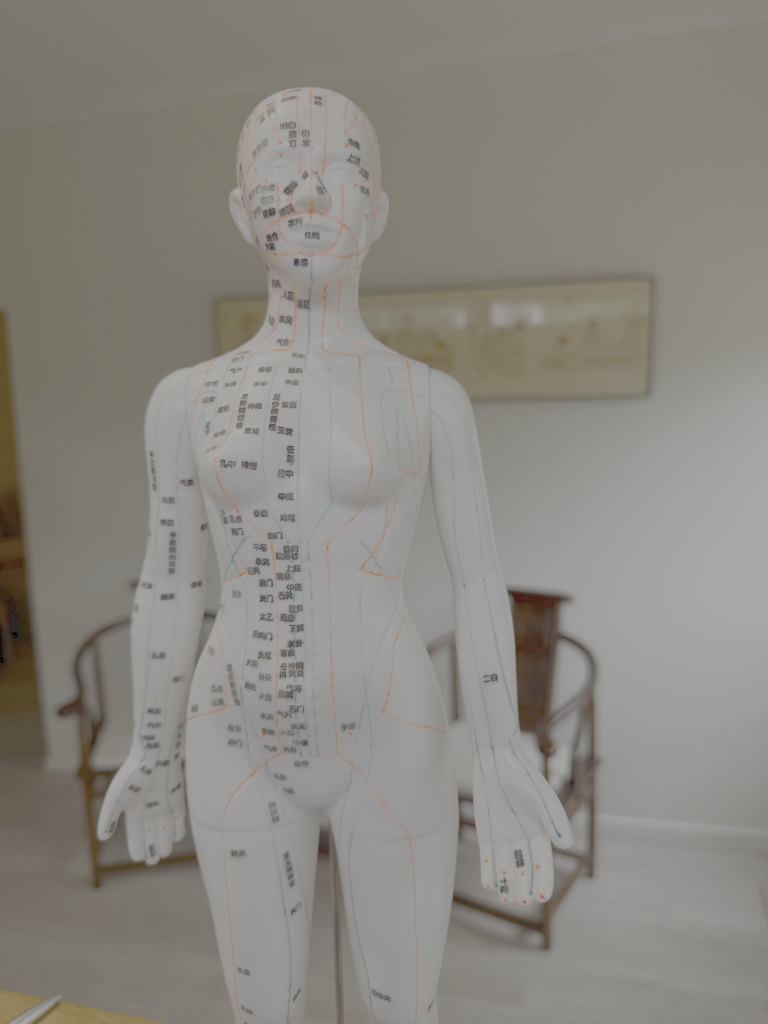
Acupuncture is one of the most well-known aspects of TCM, involving the insertion of fine needles into specific points on the body to facilitate the flow of Qi. This ancient practice is based on the belief that blockages or imbalances in Qi can result in pain and other health problems. By stimulating specific acupuncture points, practitioners can help restore this balance, promoting natural healing processes and pain relief.
The benefits of acupuncture for pain management are well documented. Studies have shown that it can reduce the intensity of pain in conditions ranging from migraines to chronic joint pain. In addition to its pain-relieving properties, acupuncture can significantly enhance sleep quality by promoting relaxation and reducing anxiety, creating a conducive environment for restful sleep.

Remedial Massage: Easing Tension and Promoting Relaxation
Remedial massage is another essential aspect of TCM, focused on alleviating musculoskeletal pain and tension. By employing various techniques, including deep tissue and trigger point therapy, practitioners can release muscle tightness and improve circulation. This form of massage not only addresses the physical aspects of pain but also promotes a deep sense of relaxation, making it beneficial for both pain relief and sleep enhancement.
Massage therapy can improve sleep quality by reducing stress hormones in the body and increasing serotonin levels, which eventually convert to melatonin, the hormone responsible for regulating sleep cycles. Regular sessions can help break the cycle of pain and insomnia, allowing individuals to experience restorative sleep and improved overall health.
Other TCM Methods for General Wellbeing
In addition to acupuncture and remedial massage, TCM offers a variety of other methods to promote general wellbeing. Herbal remedies play a crucial role in TCM, utilizing natural plants and compounds to target specific health issues. Many herbs have been studied for their efficacy in treating pain and sleep disturbances, such as valerian root for insomnia and turmeric for inflammation.
Moreover, practices like Qi Gong and Tai Chi provide gentle, meditative movement that helps cultivate Qi, improve flexibility, and strengthen the body. These exercises can effectively reduce stress and anxiety, contributing to better sleep and pain management. Additionally, dietary recommendations in TCM emphasize the importance of balancing flavors and nutrients to nourish the body, further supporting overall health and wellbeing.
Integrating TCM into Your Wellness Routine
To reap the full benefits of TCM, integrating its principles and practices into your wellness routine is essential. Finding qualified practitioners, such as licensed acupuncturists or certified massage therapists, is the first step. They can assess your unique health needs and develop a personalized treatment plan that combines various TCM modalities.
Listening to your body is critical in this journey. As you explore different TCM methods, pay attention to how you feel physically and emotionally. Adjust your approach based on your experiences, and don’t hesitate to communicate openly with your healthcare provider about your progress and any challenges you encounter.
Conclusion: Embracing a Healthier Life Through TCM
Embracing Traditional Chinese Medicine as part of your health journey can lead to a deeper understanding of your body and promote a more balanced way of living. By addressing pain and sleep issues holistically, TCM offers valuable tools for improving overall wellbeing. Whether through acupuncture, remedial massage, herbal remedies, or mindful movement practices, the possibilities for enhancing your health are vast.
Ultimately, the journey towards a pain-free life and restful sleep requires patience, dedication, and a willingness to explore new approaches. By adopting TCM principles and practices, you can foster a healthier, more vibrant life that nurtures both body and mind.
Ready to experience the benefits of TCM? Book your session at Qi Flow Wellness and begin your journey toward balance and harmony.
FAQs
What is the effectiveness of acupuncture for pain relief?
Many studies have shown that acupuncture can effectively reduce pain intensity in various conditions, including arthritis, migraines, and back pain. It works by stimulating the release of endorphins and enhancing blood flow, which helps alleviate discomfort.
Can TCM help with sleep disorders?
Yes, TCM has numerous approaches to treat sleep disorders. Techniques such as acupuncture and herbal remedies have been shown to enhance sleep quality by addressing the root causes of insomnia and promoting relaxation.
Are there any side effects associated with TCM treatments?
TCM treatments, particularly acupuncture and herbal remedies, are generally considered safe when performed by qualified practitioners. However, some individuals may experience minor side effects, such as soreness after acupuncture or mild digestive upset from certain herbs. Always consult with a healthcare provider before starting any new treatment.
How can I incorporate TCM into my daily routine?
Integrating TCM into your routine can include regular acupuncture sessions, practicing Qi Gong or Tai Chi, using herbal remedies, and incorporating TCM dietary principles. Listening to your body and adjusting your practices based on your health needs is essential for optimal results.
Is a TCM approach suitable for everyone?
While TCM can benefit many people, it may not be suitable for everyone. Individuals with certain medical conditions or those taking specific medications should consult a healthcare provider before beginning TCM treatments to ensure compatibility and safety.