When one group of muscles becomes tight, overworked, or dominant while the opposing muscles weaken or likely muscle imbalance, the body begins to move in ways it wasn’t designed to. Over time, this imbalance can place unnecessary stress on joints, tendons, and soft tissues — increasing the likelihood of discomfort, reduced mobility, and even injury.
At Qi Flow Wellness, we see muscle imbalance every day in clients who sit for long hours, train intensely, or simply move through life with repetitive habits. The good news is that with the right care, these imbalances can be corrected, helping your body feel lighter, stronger, and more aligned.
Why Muscle Imbalances Happen
Muscle imbalance can develop gradually or suddenly, depending on your lifestyle and daily patterns. Common causes include:
Long periods of sitting or poor workstation setup
Repetitive movements at work or during exercise
Stress and tension that cause certain muscles to tighten
Previous injuries that change the way you move
Lack of stretching or mobility work
Overtraining one muscle group while neglecting others
When certain muscles become tight and others weaken, the body compensates — often leading to discomfort in the neck, shoulders, lower back, hips, or legs.
How Remedial Massage Helps Restore Balance
Remedial massage is one of the most effective ways to address muscle imbalance because it works directly with the soft tissues that influence posture and movement.
During a session, your therapist may use techniques such as:
Deep tissue work to release tight, overactive muscles
Myofascial release to improve mobility and reduce restrictions
Trigger point therapy to ease stubborn knots
Stretching and mobilization to restore natural movement
Relaxation techniques to calm the nervous system and reduce tension
By releasing tight areas and supporting underused muscles, remedial massage helps your body return to a more balanced, comfortable state.
Signs You May Have a Muscle Imbalance
You may be experiencing imbalance if you notice:
Persistent tightness in the same areas
Uneven posture (e.g., rounded shoulders, tilted pelvis)
Limited range of motion
One side of the body feeling weaker or stiffer
Frequent tension headaches
Discomfort during exercise or daily activities
Left unaddressed, these patterns can increase your risk of strains, joint stress, and recurring pain.

Supporting Your Recovery Beyond Massage
At Qi Flow Wellness, we take a holistic approach to restoring balance. Alongside remedial massage, your therapist may recommend:
Gentle strengthening exercises
Posture and ergonomic adjustments
Stretching routines tailored to your body
Lifestyle habits to reduce recurring tension
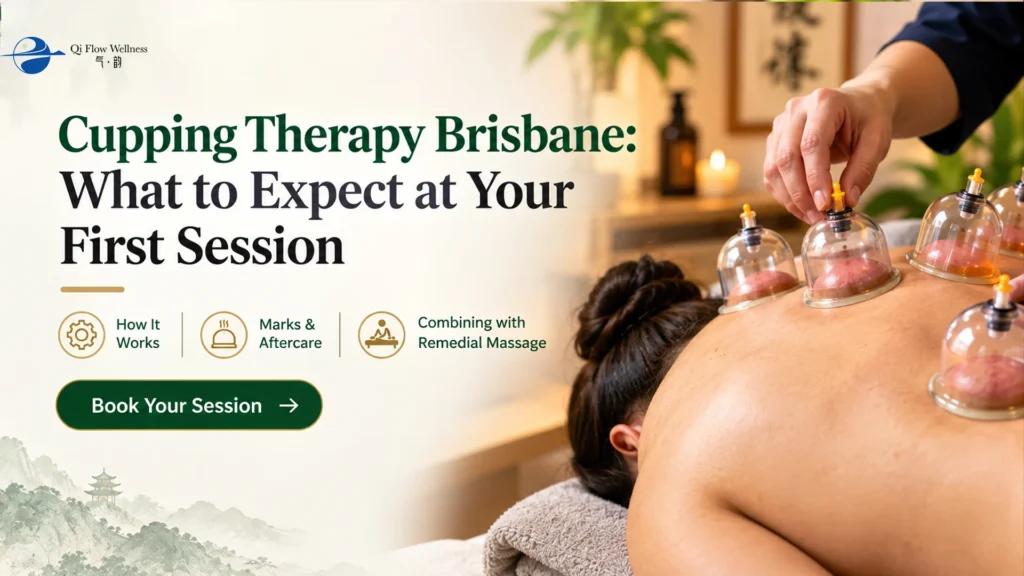
Complementary therapies such as cupping or Gua Sha
This combination helps retrain your body, improve alignment, and support long‑term wellbeing.
Why Addressing Muscle Imbalance Matters
Correcting imbalance isn’t just about relieving pain — it’s about improving how your body moves every day. When your muscles work together the way they’re meant to, you may experience:
Better posture
Reduced stiffness
Improved flexibility
Enhanced performance in exercise
Lower risk of injury
A greater sense of ease in your body
Small changes in balance can create big improvements in how you feel.
Ready to Restore Balance and Move Comfortably Again?
If you’ve been feeling tight, uneven, or restricted, remedial massage can help bring your body back into harmony. Our therapists take the time to understand your patterns, identify the root cause, and create a personalised plan to support your recovery.
Book your session today and start feeling more aligned, mobile, and at ease.